June 4, 2026
Implementing a proper waste management system is a vital component of maintaining a healthy, functional property. When it comes to properties that manage wastewater independently, understanding the variables that go into a successful setup is key to ensuring long-term operational efficiency. The process requires navigating specific geographic traits, system choices, and technical requirements. Homeowners who take the time to plan carefully alongside seasoned service providers can prevent common pitfalls, protect the local environment, and secure a reliable asset that functions smoothly for decades.
According to the U.S. Environmental Protection Agency (EPA), more than 20% of households rely on septic systems for wastewater treatment. Given this widespread reliance, the initial preparation phase must be highly detailed to handle regular household demands. Property owners must look closely at their land and coordinate with local regulations to prepare for the logistics ahead. Working with qualified industry service professionals from the beginning ensures that every technical hurdle is addressed before any heavy equipment arrives at the property.
Geographic Evaluation and Soil Quality
Before any physical work can begin, a comprehensive land evaluation is mandatory to determine if the property can support a new septic installation. The foundational element of this assessment is soil testing, which analyzes the exact composition of the ground. Sandy, clay, and loamy soils all process liquid differently, meaning the ground texture directly dictates how well wastewater filters through the earth. A detailed analysis identifies these variations, allowing for a design that prevents untreated water from entering the local water table.
A critical part of this stage is testing the soil percolation rate, which measures how fast liquid moves through the subsurface layers. If water moves too quickly, filtration is incomplete; if it moves too slowly, surface pooling can occur. Additionally, installers must measure seasonal water tables and examine local topography. Steep slopes or high water levels often demand specialized engineering techniques, ensuring that the final septic installation functions safely without risking system backups or sudden structural failure.
Selecting the Proper System Configuration
Every property has unique needs, which means choosing the right design is central to a long-lasting septic installation. Traditional setups utilize standard gravity flow and are highly effective for large lots with ideal soil conditions. These setups are often straightforward to implement when space allows. However, properties with space restrictions, dense rock layers, or poor absorption rates require advanced alternatives, such as pressure-dosed systems, sand filters, or aerobic units that provide additional treatment levels.
Accurately sizing the setup is another step that prevents premature breakdowns. System dimensions are calculated based on the number of bedrooms in a home and anticipated daily water usage. An undersized layout will quickly become overwhelmed, causing severe issues, while an oversized version introduces unnecessary upfront expenses. Factoring in future home additions during this stage allows the septic installation to remain fully functional even as household demands change over time.
Navigating Local Permits and Compliance
Every municipality maintains strict codes regarding how wastewater systems are placed and constructed. These regional rules are established to protect public health and keep community water supplies safe from contamination. Navigating these requirements involves submitting comprehensive engineering blueprints and site reviews to local health departments. Securing these approvals ahead of time prevents project delays, fines, or mandatory modifications after construction has already commenced.
Working with local compliance standards also guarantees that the system respects nearby property boundaries and natural resources. Guidelines specify exact setbacks, indicating the mandatory distance required between the septic installation and wells, property lines, or wetlands. Following these steps closely ensures the project is fully legal, passes final inspections, and operates within environmental safety standards, which maintains the overall value of the surrounding community.
Technical Placement and Best Practices
The physical phase of a septic installation begins with careful excavation and site preparation. Digging must be exact, ensuring that the underground tank rests on stable, level ground to prevent shifting or cracking as the earth settles. Using durable, modern materials for the tank structure ensures a leak-free environment that holds solid waste effectively. The connecting lines must be joined with absolute precision to maintain a reliable path from the home plumbing to the treatment zone.
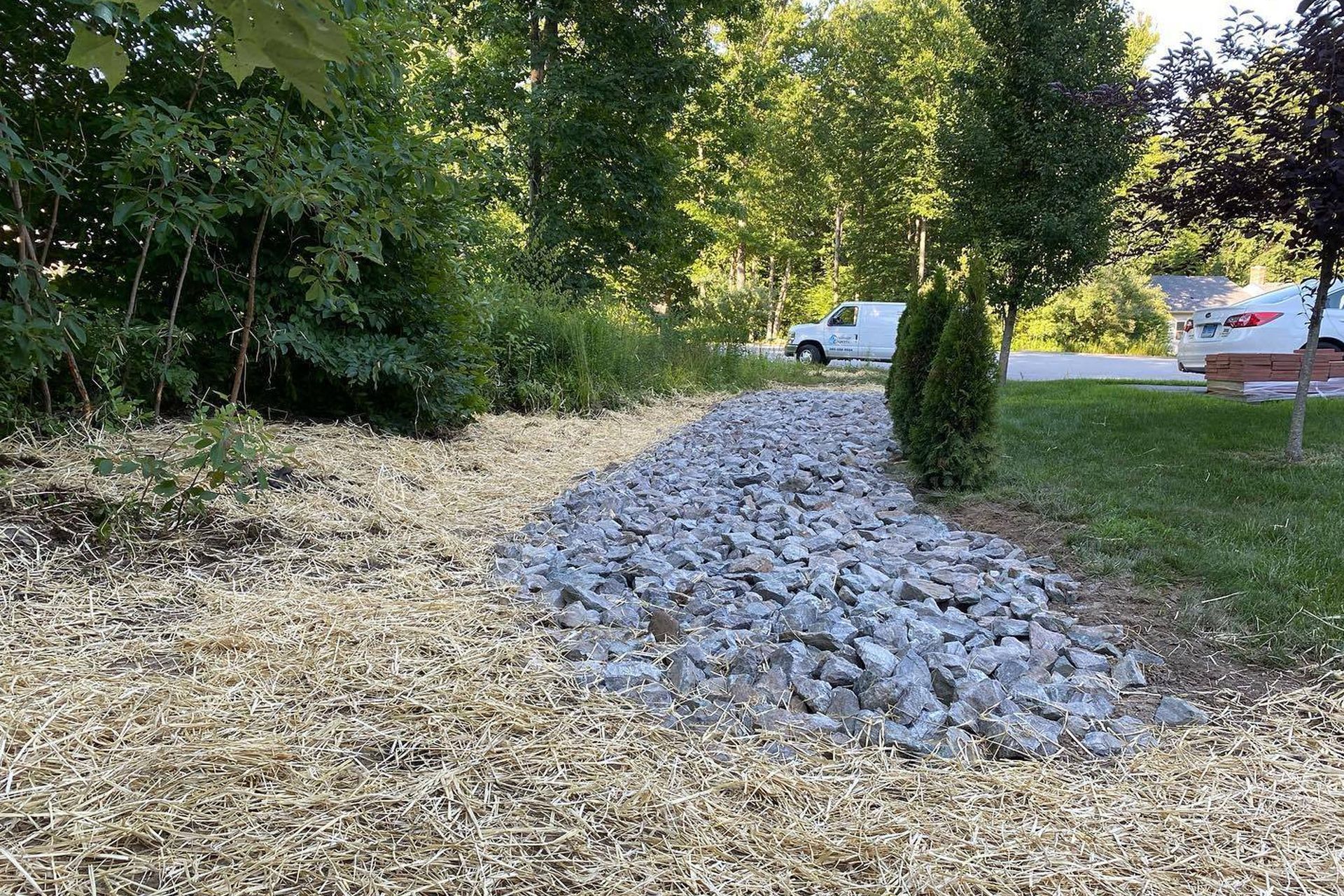
It's critical that you plan the layout of the absorption area, where treated liquid is dispersed into the ground. Pipes must be sloped correctly to maintain steady gravity flow, and the gravel or synthetic chambers must be spaced perfectly to optimize absorption. Once the physical components are set, a final inspection ensures everything matches the permitted plans. This careful validation ensures the septic installation is robust and prepared for regular use.
Preventative Maintenance and System Longevity
Protecting the investment requires consistent care after the physical setup is complete. Scheduled pumping and routine cleanings are the most effective ways to ensure the septic installation operates smoothly for its entire lifespan. Over the years, solid materials accumulate at the bottom of the tank and must be removed before they escape into the absorption area. Most industry guidelines suggest pumping the tank every three to five years, depending on the household size.
Property owners can also maximize longevity by monitoring water usage and avoiding flushing harmful items down the drains. Heavy chemical cleaners, grease, and non-biodegradable items disrupt the natural balance within the tank and can clog the distribution pipes. Catching minor changes early, such as slow drains or patchier grass above the absorption field, allows service professionals to perform minor adjustments before substantial structural issues develop.
Project Budgeting and Financial Value
Planning for a new septic installation involves balancing initial construction costs with long-term operational expenses. Total upfront pricing varies based on excavation depth, materials, permit fees, and specific land complexities. While advanced designs for challenging terrain carry higher initial price tags, investing in the right setup from the start prevents incredibly costly emergency repairs and premature replacements down the road.
Future Expansion and Septic Installation
When planning for a long-term residence, considering the potential for future property growth is a vital part of the planning. Many homeowners eventually decide to add extra bedrooms, a guest house, or even a pool house, all of which increase the volume of wastewater processed by the system. By discussing these possibilities with a designer during the initial phase, owners can choose a layout that allows for easier expansion later. This foresight saves significant money and prevents the need to completely replace a relatively new system just because the household needs have evolved or the family has grown larger over the years. Scalability also involves protecting the reserve area, a piece of land set aside during the initial design as a secondary site for a drainfield if the first one ever reaches the end of its life. Keeping this area clear of permanent structures like patios or sheds is essential for the long-term viability of the property. Professional planners help homeowners identify these zones and integrate them into the overall landscape design.
A well-constructed waste system directly enhances the financial value and marketability of a piece of real estate. Buyers prioritize properties with fully functional, documented utilities that meet all current standards. By treating the project as a long-term property improvement and budgeting for routine checkups, homeowners protect their household finances, ensure clean living conditions, and secure a dependable utility that operates flawlessly. For comprehensive property solutions, contact Drainage Experts LLC today.