At Drainage Experts LLC, one of the most common issues we see is preventable system failure caused by lack of maintenance. The good news? With the right schedule and a basic understanding of how your system works, you can avoid costly repairs and keep everything running properly.
What Is Septic Pumping?
Septic pumping is the process of removing the built-up solids (sludge) and floating waste (scum) from your septic tank.
Over time, every septic system accumulates solids that
do not break down. If those solids aren’t removed, they begin to overflow into the leaching system...which can lead to failure.
Why Septic Pumping Matters
Routine pumping helps:
- Prevent backups into your home
- Protect your leaching field from damage
- Extend the life of your septic system
- Catch small issues before they become major problems
A neglected system can turn into a
very expensive repair or full replacement, often costing tens of thousands of dollars.
How Often Should You Pump Your Septic Tank?
Most homes should have their septic tank pumped every:
- 2–5 years for average households
- More frequently for:
- Larger families
- Homes with garbage disposals
- High water usage
There’s no one-size-fits-all schedule, which is why we often recommend building a maintenance plan based on your specific system and usage.
Signs Your Septic Tank May Need Pumping
Don’t wait until there’s a problem. Watch for these warning signs:
- Slow drains throughout the house
- Gurgling sounds in plumbing
- Sewage odors near the tank or yard
- Wet or soggy areas above your system
- Backup in toilets or drains
If you notice any of these, it’s time to act quickly.
What to Expect During a Pumping Service
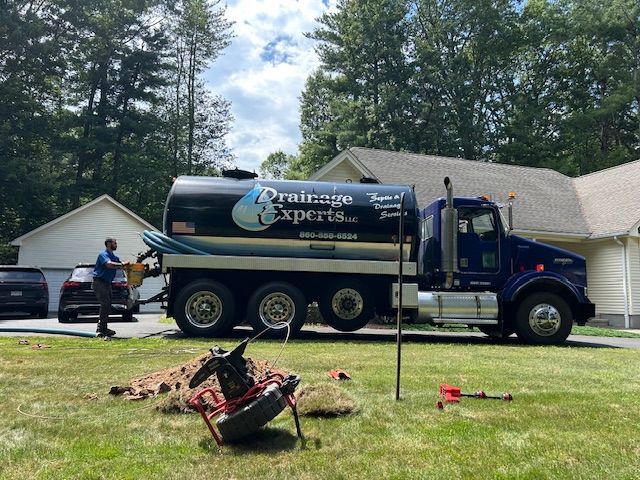
When our team arrives, we don’t just pump and leave.
A proper septic pumping includes:
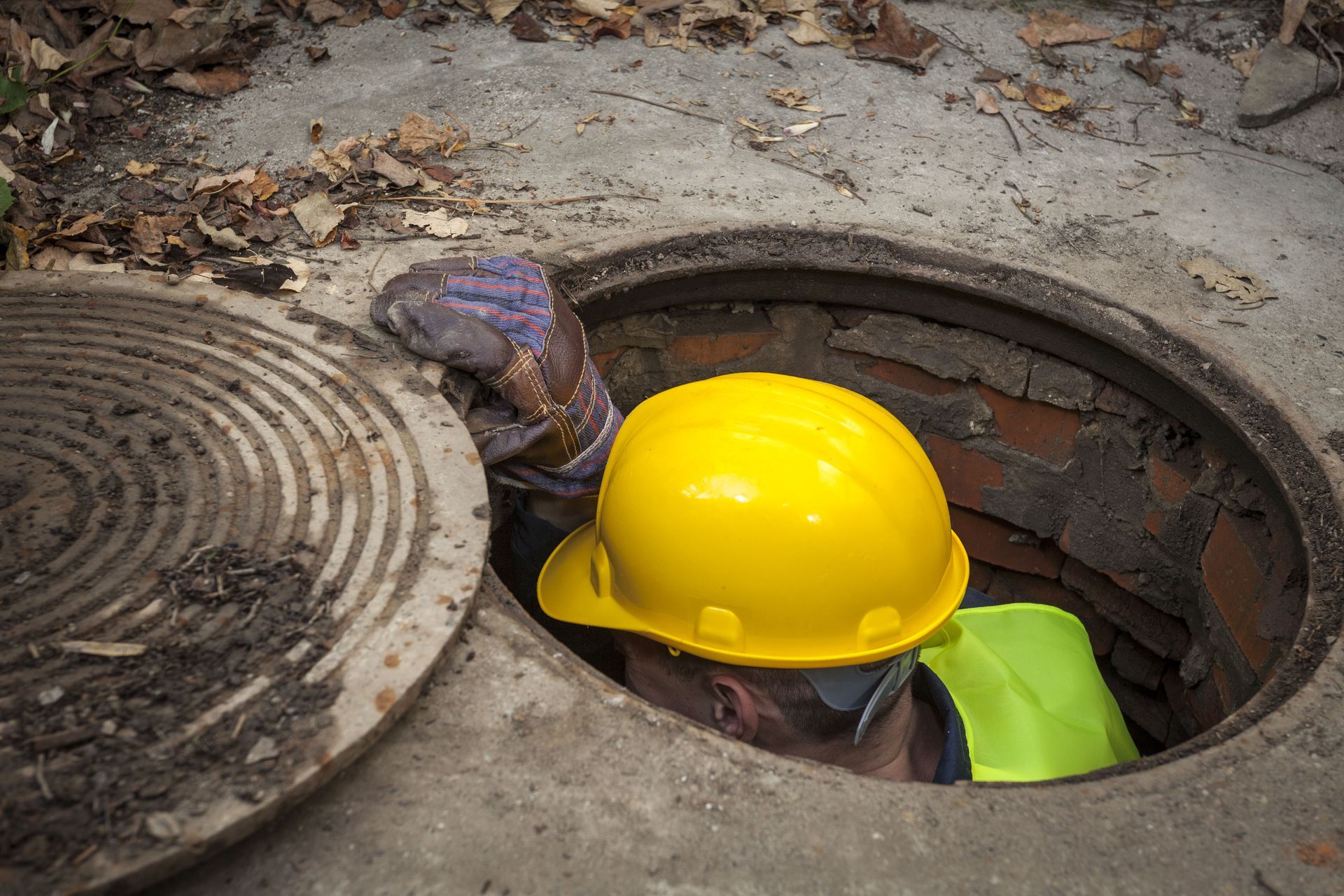
- Locating and accessing the tank
- Pumping all contents (liquid, sludge, and scum)
- Inspecting the tank condition
- Checking baffles and components
- Noting any concerns or recommendations
We take the time to give you a clear picture of your system’s condition...no guesswork.
Simple Tips to Protect Your Septic System
A few good habits go a long way:
- Only flush
toilet paper and human waste
- Avoid wipes, feminine products, and non-biodegradables
- Limit use of harsh chemicals (bleach, cleaners, paint)
- Spread out water usage (laundry, showers, dishwasher)
- Keep vehicles and heavy equipment off the system
Your septic system relies on natural bacteria...treat it accordingly.
Don’t Wait Until There’s a Problem
Septic systems don’t usually fail overnight...they give warning signs. The key is staying ahead of it.
Routine pumping is one of the simplest and most cost-effective ways to protect your home, your property, and your investment.
Schedule Your Septic Pumping
If you’re unsure when your system was last serviced, it’s probably time to take a look.
📞 Call us at (860) 858-6524
🌐 Visit us at
https://www.drainageexpertsllc.com
Our team is here to help with honest recommendations, reliable service, and long-term solutions.